
There is a quiet lesson sitting underneath one of the most talked-about album launches of 2026, and it has very little to do with music.
In late May, the Scottish duo Boards of Canada released Inferno, their fifth album and their first new music in thirteen years. And for a self-confessed BOC fan-boy who's been listening to them since the seminal 'Music Has The Right To Children', it was thirteen years too long.
For a band that has spent its entire career avoiding interviews, touring almost never, and treating the internet like a haunted radio frequency, the comeback could easily have disappeared into the noise.
Instead it became an event.
Fans dissected it for weeks. Music press covered every breadcrumb. And the band did all of it without a single conventional ad campaign, influencer seeding plan, or TikTok dance.
For marketers, Inferno is worth studying not because it was clever, but because it was correct. Every decision fit the brand and that's the whole point.
The campaign, in case you missed it
The rollout was slow, strange and almost entirely offline at first.
In early April 2026, a small number of fans started receiving unmarked VHS tapes in the post. No note, no label, just Boards of Canada's hexagon-mesh logo and a few minutes of degraded analogue footage: static, droning synths, and barely intelligible speech. Fans on Reddit, Discogs and the band's own forums went to work, and within days they had traced the audio to a 1980s radio ad for a defunct Christian magazine and the visuals to vintage cult documentary footage. It was a puzzle the audience wanted to solve.
Then came cryptic street posters in major cities, pushed out by the mighty Warp Records with no caption. An old website from the band's 2013 campaign quietly flickered back to life with a message reading "nobody home…", in English and in Morse code.
A single piece of new music, "Tape 05," appeared on YouTube with no announcement at all. Only on 22 April did the band confirm the album, with an 18-track listing and a release date.

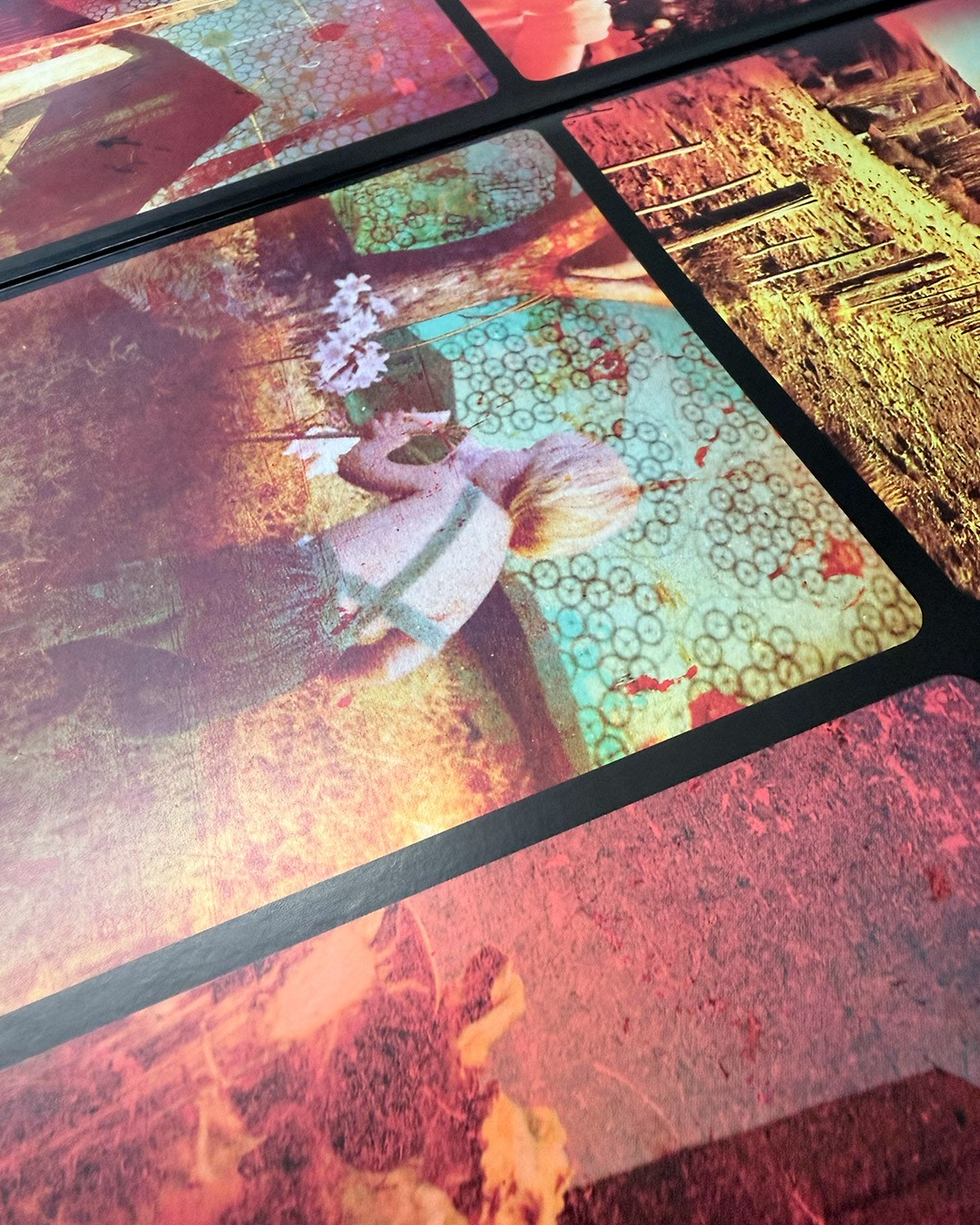
The physical release leaned into the same instincts: a limited translucent red double LP in a triple-gatefold sleeve, a 16-page booklet, and a hexagonal flexi-disc tucked inside carrying yet another cryptic recording - more fuel for the people who collect and decode (my copy just arrived today, and it's well worth the wait - got to love a bit of gatefold vinyl).
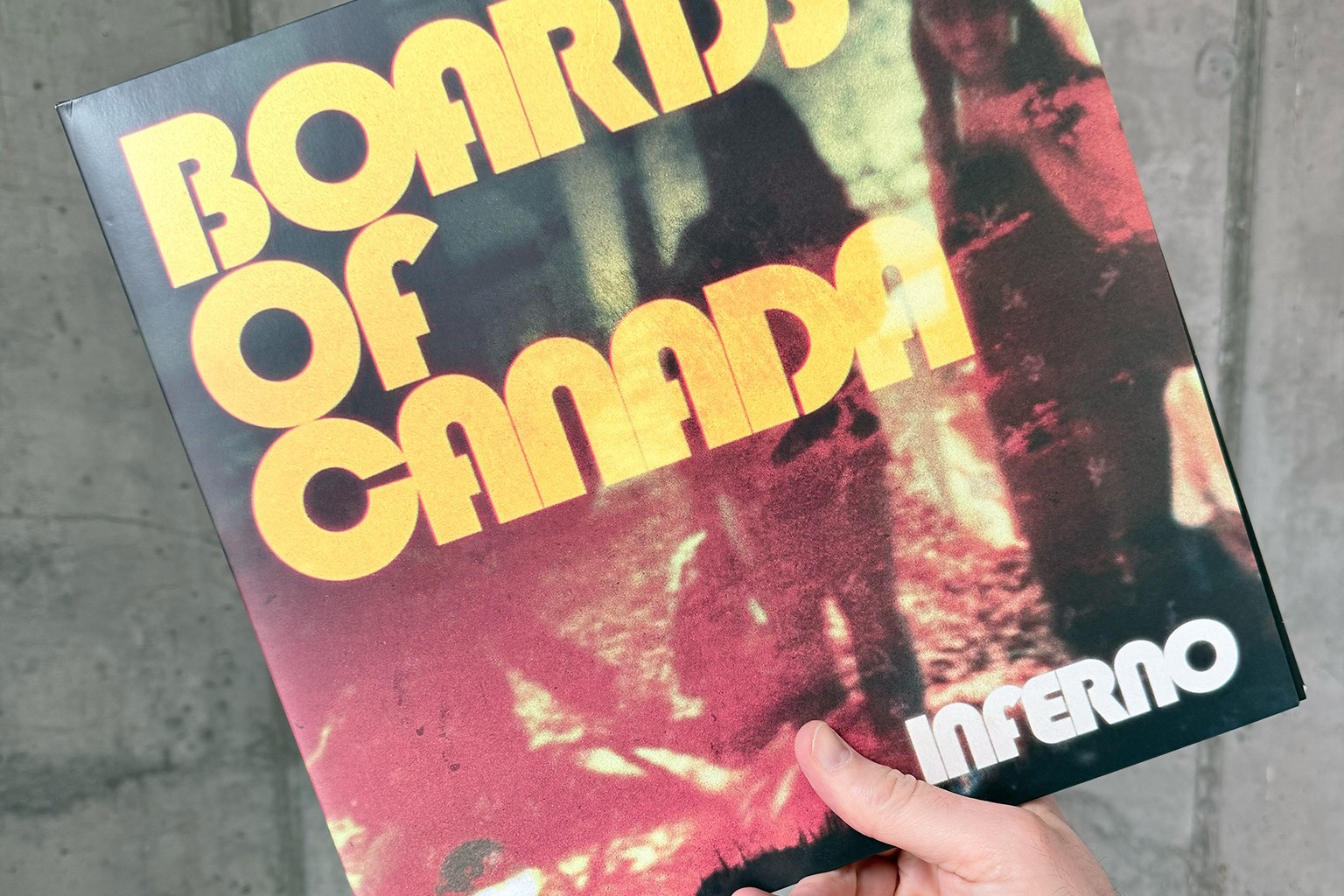
A week before release, the band held synchronised listening sessions in seven cities at once - Tokyo, Berlin, Barcelona, London, Glasgow, New York and Los Angeles - turning the album into a shared, in-person moment rather than a passive stream (yep, I went to this as well).
No press tour. No paid spots. No begging the algorithm.
Why it worked: the brand and the marketing were the same thing
It is tempting to file this under "mystery marketing" and move on. Plenty of brands have tried the cryptic-teaser playbook and landed flat. The reason it worked for Boards of Canada is more specific, and more useful.
Their entire identity, for nearly thirty years, has been built on decay, hidden numbers, analogue warmth, half-remembered nostalgia and buried meaning. The marketing didn't dress up as that world; it genuinely was that world. A VHS tape isn't a gimmick for this band, it's their native format. A puzzle isn't a stunt, it's the relationship they have always had with their audience. The campaign worked because there was no gap between what the band is and how it was sold.

That is the principle worth taking into any pitch or client meeting: the channel and the tactic have to be an expression of the brand, not a pastiche from whatever is trending. When the two match, the audience does your marketing for you….and they did, generating weeks of forensic coverage and fan analysis that no media budget could buy.
What brands can actually take from this
You don't need a cult following or a Morse-code website to apply the thinking. The transferable lessons are simpler than the execution looks:
Start from identity, not from channels. Decide what your brand genuinely is before deciding where it shows up. The platform is a consequence of the brand, not a substitute for having one.
Trust your real audience over the widest possible one. A campaign designed to delight the people who already care will out-perform one designed to be inoffensive to everyone.
If possible, give people something to do or touch, not just something to watch. The VHS puzzle worked because it invited participation. Passive impressions are cheap; active engagement compounds.
Let physical and offline back into the mix. A gatefold sleeve, a real-world event, an intriguing mailer, an object worth keeping - these create the moments that screenshots and streams can't.
And resist the default. "Everyone's on TikTok" is a description of where attention is, not a strategy for what your brand should do with it.
The takeaway
Inferno is proof that marketing doesn't have to be loud to be effective - it has to be true. The most powerful thing a brand can do is understand itself well enough to market in a way only it could.
Boards of Canada didn't beat the algorithm. They simply made something so unmistakably theirs that people couldn't look away.
At Maguires, that's the question we start every brief with: not "which channels are hot right now," but "what is intrinsically yours?"
If your marketing has started to look like everyone else's, we'd love to help you find the version that could only be yours. Let's talk.
Oh, and give Inferno a listen while you're at it.
Sources: Nialler9 — Inferno rollout timeline; Inferno (Boards of Canada album) — Wikipedia; Discogs — Inferno deluxe edition; Resident Advisor — VHS mailouts.

Let’s keep in touch.
↓ Follow us on Linkedin and Instagram